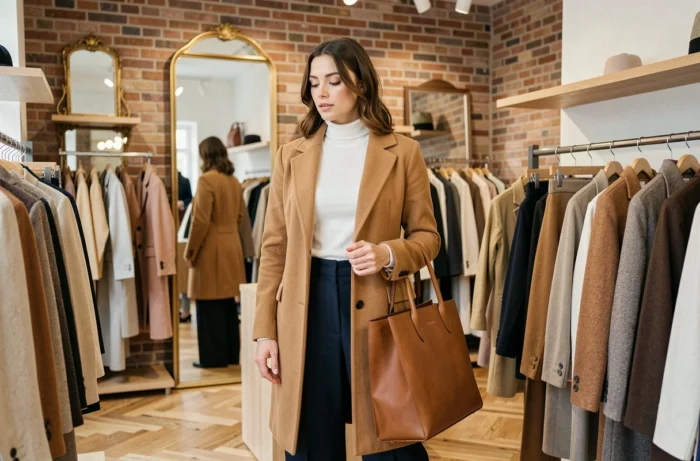
The spring-summer and autumn-winter 2026 fashion shows have delivered their verdicts, but one question remains: how to translate these runway proposals into a coherent wardrobe over twelve months. The topic goes beyond a simple list of key pieces. A European regulation that came into effect in mid-2026 is already changing the way brands manage their stocks, and the future digital passport for textile products promises to change how we choose and care for our clothing.
European textile regulation and fashion trends: an underestimated link
Since July 19, 2026, large companies operating in the European Union can no longer freely destroy their unsold clothing, accessories, and shoes. They must publish information on the volumes destroyed and the reasons for this destruction. This constraint pushes brands to produce more thoughtfully and to favor reuse or resale.
For consumers, the consequence is direct. Shorter capsule collections, pre-orders, and limited drops are no longer just marketing strategies: they also respond to a legal obligation. Field reports vary on this point, as some brands absorb the constraint without changing their production pace, while others visibly reduce the number of references per season.
The digital product passport, as outlined by the European regulation on eco-design, is not yet mandatory for clothing. It will facilitate access to data on materials, traceability, repair, and recycling. When deployed, it will become a true purchasing criterion, not just a simple label. The available data do not yet allow for a precise date for its implementation in textiles, but the legal framework exists.
Finding all fashion on Fashion Clubwear allows you to follow these concrete developments throughout the seasons, alongside clothing trends.
Color palette and materials to favor season by season
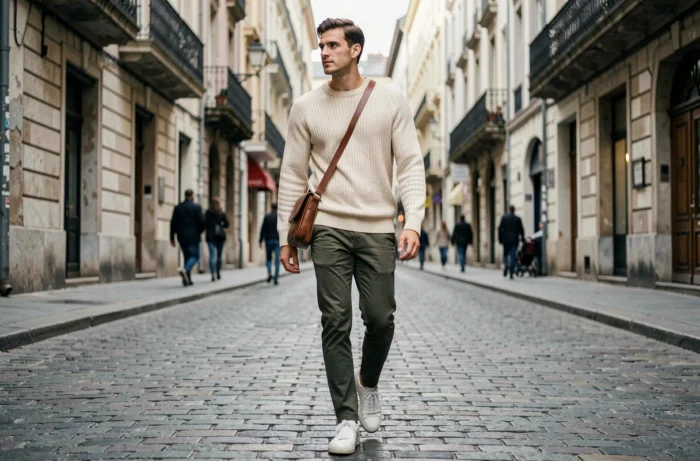
Frosted tones dominate the 2026 wardrobe. Lavender, spotted on flowing dresses and accessories, stands out as the most versatile shade. Glacier blue, fresh and modern, appears on coats, sweaters, and bags. These colors work well in both spring and autumn, provided you play with the materials.
Spring-summer: lightness and brightness
Yellow, pink, and purple add depth to everyday looks. Lace and transparency, two trends confirmed by the shows, allow for layering without bulk. A lace top under a structured jacket creates a silhouette that transitions smoothly from the office to dinner.
Autumn-winter: textures and volumes
The trio of denim, smooth leather, and suede structures the cold wardrobe. Subdued shades (khaki, olive, brown) serve as a base. Fringes and diamonds, two recurring patterns on the autumn-winter 2026-2027 runways, add character without overdoing it. Leather remains the most versatile material of the cold season: jacket, pants, or accessory, it adapts to all styles.
Key silhouettes for a fashionable look all year round
Three cuts deserve special attention because they transcend seasons without losing relevance.
- The barrel jean is gradually replacing the slim and classic straight styles. Its loose fit at the thighs and tapered ankle works with sneakers in spring and with ankle boots in winter.
- The military-inspired jacket, worn in khaki and olive, structures any outfit. In a premium version (reinforced seams, aged metal details), it moves away from surplus to enter the everyday wardrobe.
- The flowing dress in pastel or lavender tones serves as a key piece in spring and can be worn under a long coat as soon as the first chills arrive, provided you choose a fabric with a sufficiently dense weight to not be purely summery.
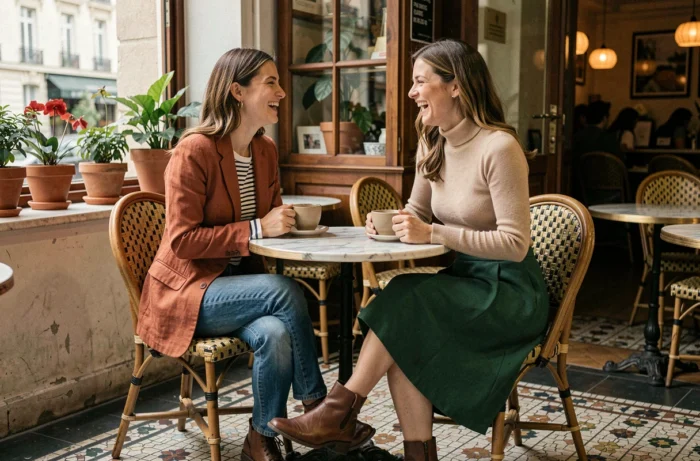
Chic workwear extends this logic of robust pieces worn all year round. Thick denim overshirts, fitted cargo pants, and chunky-soled shoes create a style that does not depend on a specific season.
Fashion accessories 2026: the detail that changes the silhouette
Brooches are making a notable comeback. Once confined to classic wardrobes, they are now being pinned on jacket lapels, shirt collars, and even bags. A well-placed brooch transforms a basic piece into a style element.
Knots, identified as a strong trend for autumn-winter 2026-2027, appear on collars, sleeves, bags, and shoes. The knot is no longer just a detail: it becomes a structuring element of the silhouette.
In terms of footwear, open-toe flats are taking over from closed models for the warmer days, while ankle boots with metallic details or suede ensure the transition to winter. Investing in two versatile pairs covers most situations throughout the year.
Building a sustainable wardrobe rather than following every micro-trend
The temptation of overt maximalism (layering, bold prints, saturated colors) is real in 2026. However, a wardrobe designed to last is based on a simple principle: buy fewer pieces, but choose ones that are compatible with each other.
- A barrel jean, a military jacket, and two tops in different materials (one in knit for winter, one in linen or cotton for summer) cover most everyday situations.
- Neutral colors (brown, olive, off-white) serve as a foundation. Lavender or glacier blue can be introduced in touches, on an accessory or a top, not throughout the entire outfit.
- Prioritizing traceable materials will become easier with the rollout of the digital passport, which will provide access to exact composition and manufacturing conditions.
Fashion 2026 offers a considerable volume of trends, from chic streetwear to romantic lace. The most useful filter remains the compatibility between pieces: a wardrobe where each garment combines with at least three others withstands seasonal changes better than a collection of strong pieces worn only once.